Georges Baghdi Sar is a Syrian chef who came to Belgium as a child. His press kit is not a download, it is a walk-through: instead of a biography PDF, a site that tells his path and lets the press speak after him.
- Client
- Georges Baghdi Sar
- Role
- Interactive press kit
- Year
- 2024
The brief came from press relations: a journalist discovering Georges Baghdi Sar needs to grasp his path before writing about his cooking, because one explains the other. A conventional kit would have lined up a biography and downloadable assets. This one had to make people want to know more, and turn the reading itself into the first argument.
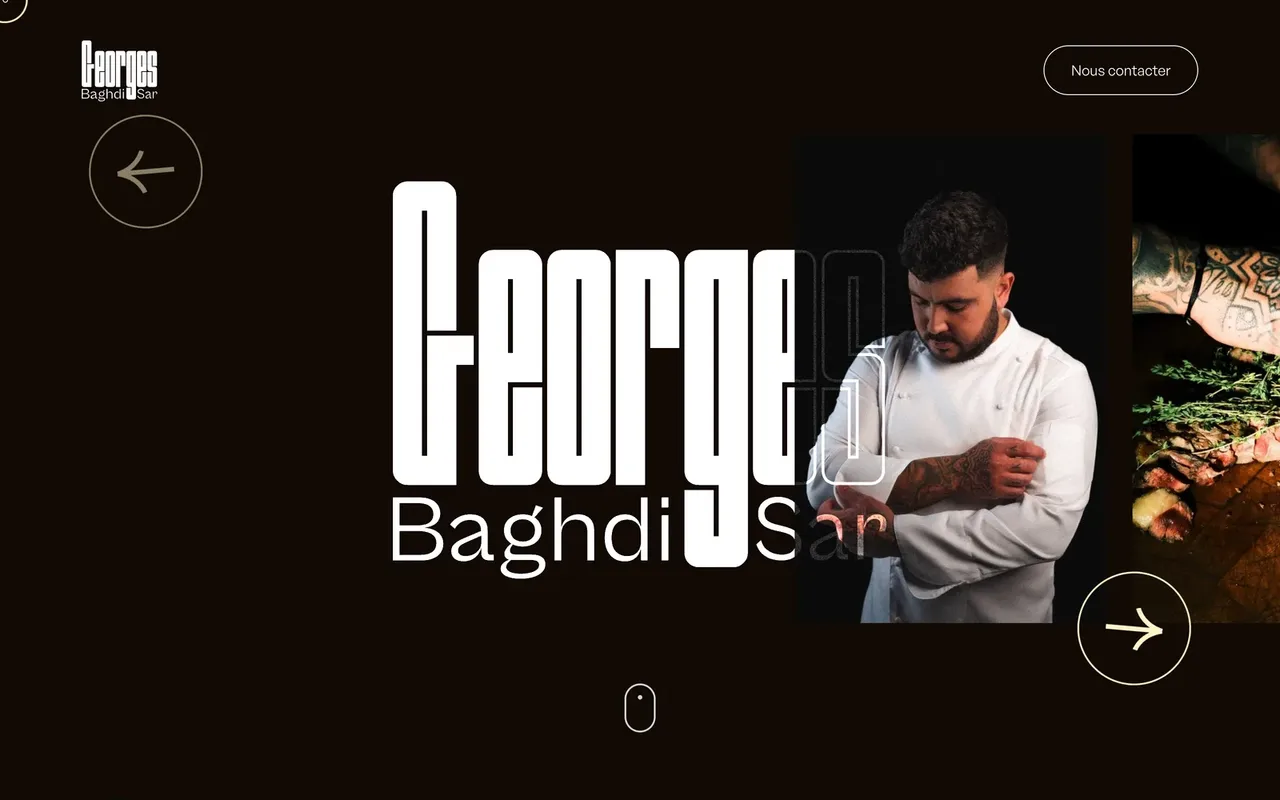
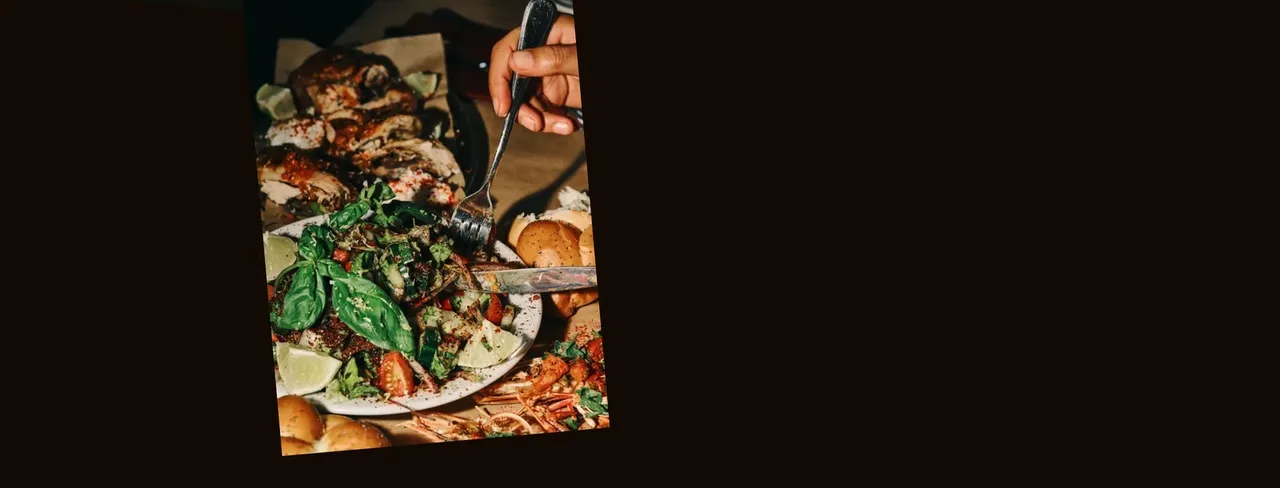
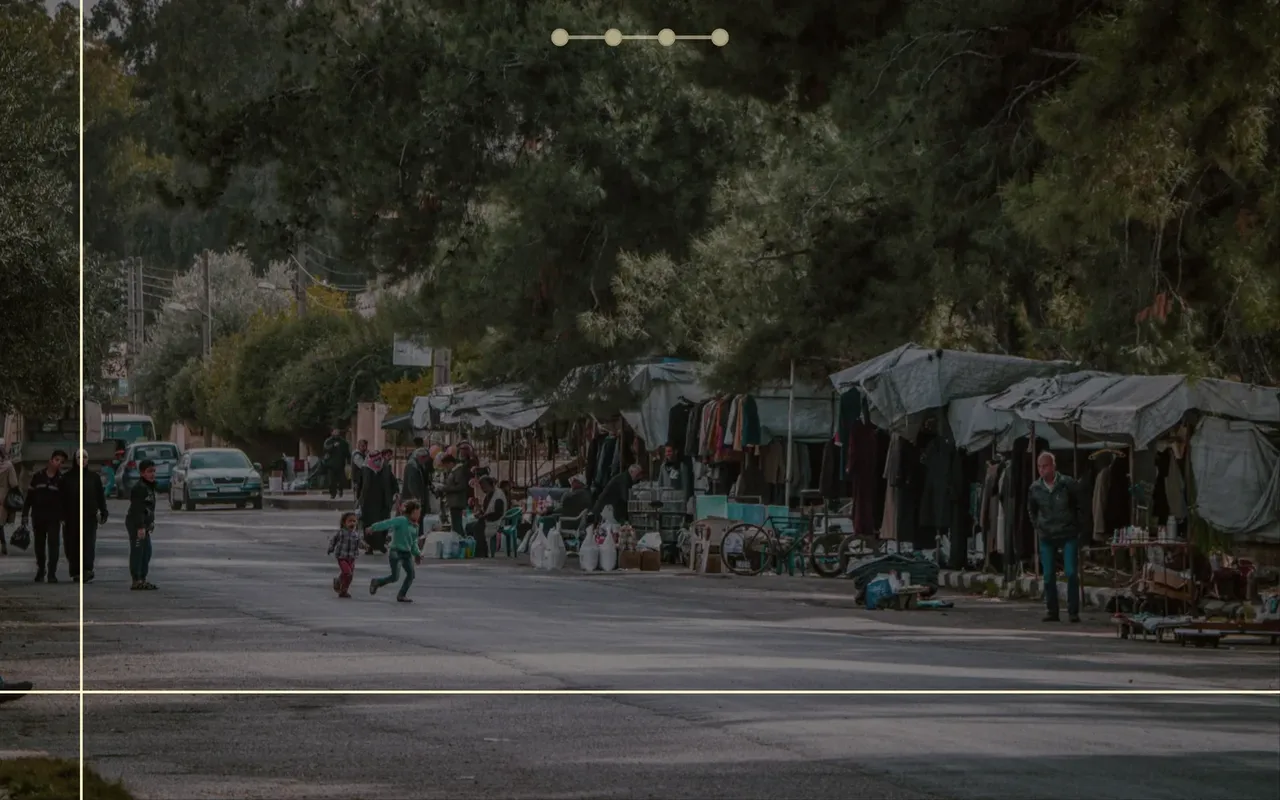
A life reads in acts, not in columns
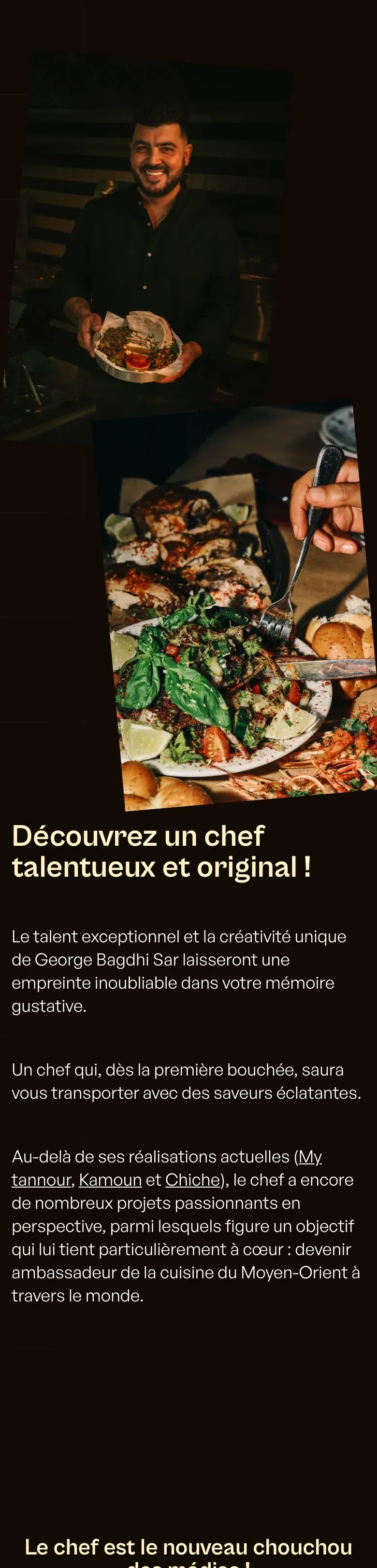
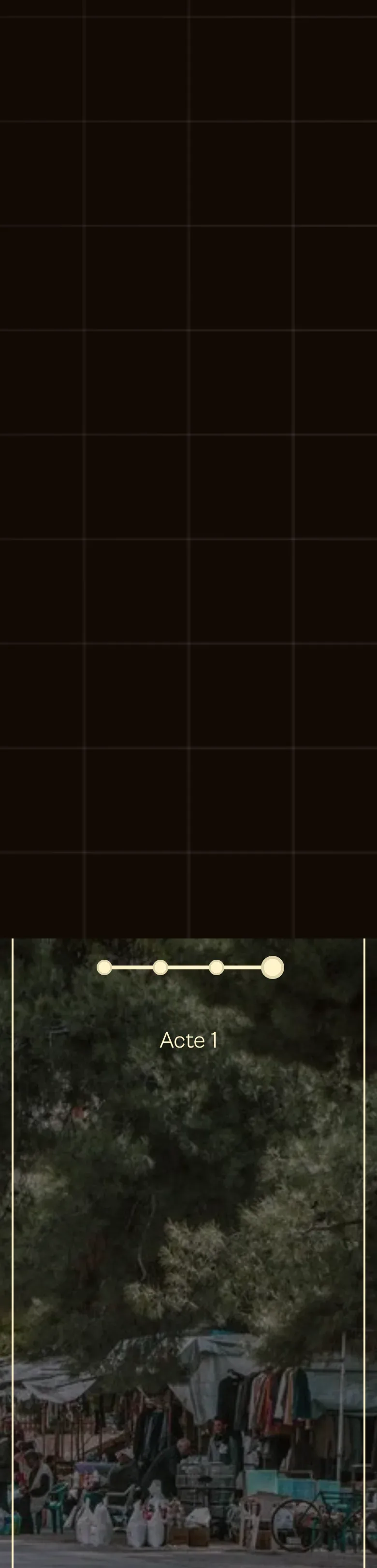
The path is cut into dated acts, like a play: childhood in Syria, the departure, the arrival, what came next. Each one carries its years in the title, which gives a journalist exactly what they are after, a thread and dates in the same place. The family photographs are laid out like a scrapbook, slightly askew, annotated by hand. They are not decoration: they are the only archive material for a story nobody ever photographed professionally. The press comes at the end, as a wall of quotes rather than a row of logos, because one journalist's sentence carries further than a strip of mastheads. A press kit in PDF form gets filed away and never opened again. This one is walked through, quoted, and kept up to date.
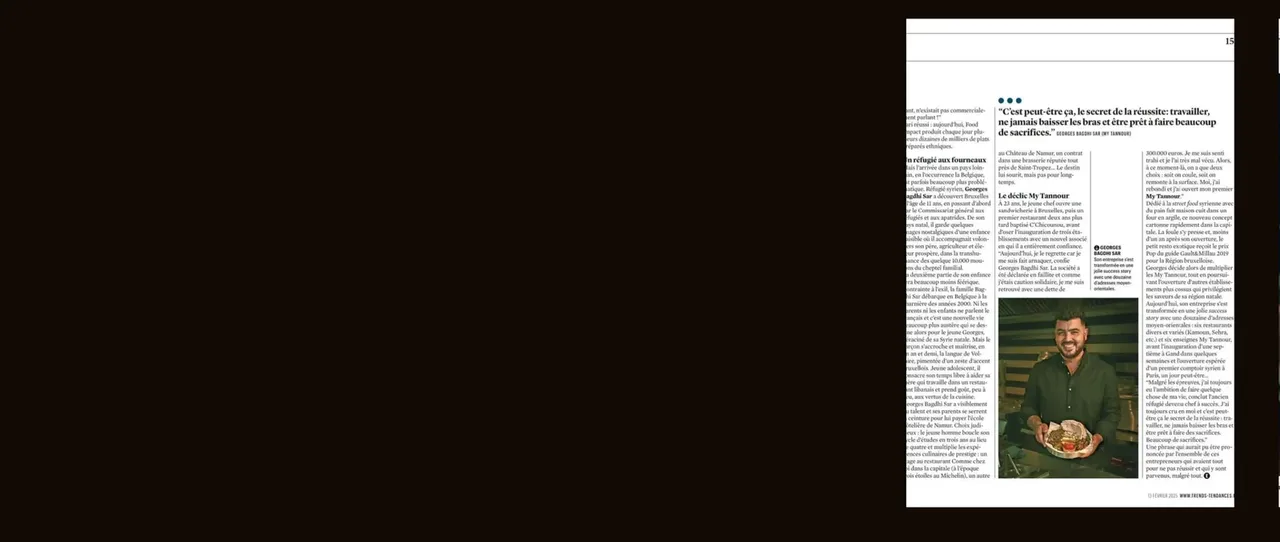
A journalist opens this link from their inbox, often on a phone, and rarely at the moment they are writing. Vertical reading therefore serves the story rather than fighting it: the acts follow the order of the journey, the dates stay visible as headings, and press quotes can be copied without opening a file. That is the difference with a PDF, which asks to be downloaded before you can tell whether it was worth it.
The press kit in numbers
- dated acts, from 1988 to 2024
- 4
- press articles quoted in the carousel
- 8
Measured on 28/09/2026
Visit gbs-press.com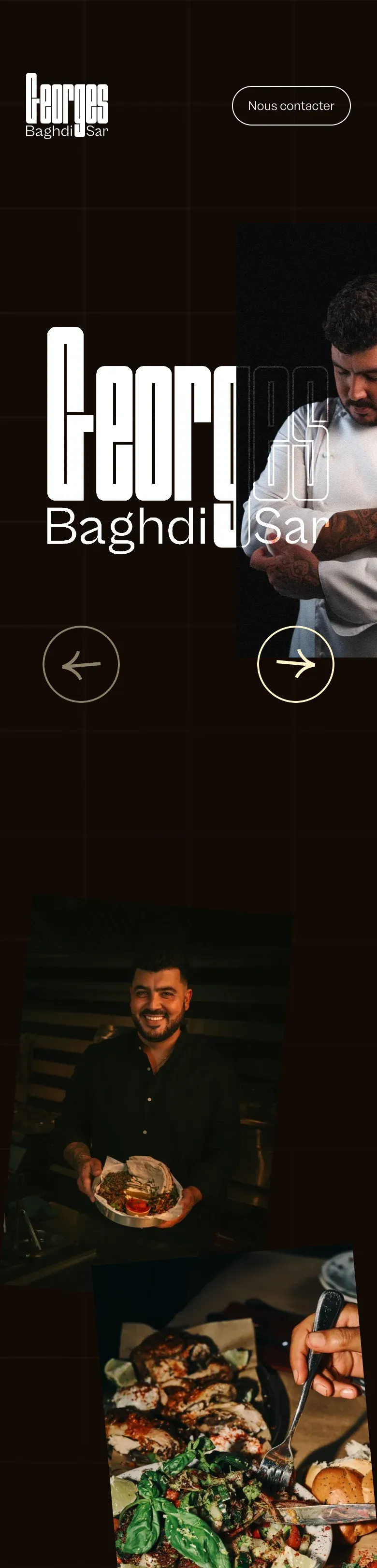

Before, during, after: the same method on every project
See our expertise · Web Design & Development Let's talk about your project- Before
Discovery
We get to know the project, ask our questions and talk it through with you.
- Before
Inspiration and direction
We gather inspiration and set a direction with you, before anything gets created.
- During
Creation
The heart of the project, paced by regular back and forth with you.
- After
Delivery and testing
We deliver, then check with you that everything works.
- After
Handover and adjustments
We train you and help you get to grips with the material. Your feedback is taken on board to fine-tune it.