RTL, show press kits
A show's press kit does not have to be a PDF. These sites exist to make you discover the show, not to archive it: you step inside, you see the set, you play the trailer, you read the interview. A single engine produces every kit, each with its own dressing.
- Client
- RTL Belgium
- Role
- Design and development of the press kits
- Year
- 2026
Produced in-house at RTL Belgium.
Until then a press kit went out as an attachment, and read like one. RTL chose to turn them into websites, so that a journalist's curiosity is won when the link opens rather than when a PDF downloads. The studio's part was to find, for each show, the device that recalls its premise on screen. That small departure is what tells one kit from another, even though they all come out of the same engine.
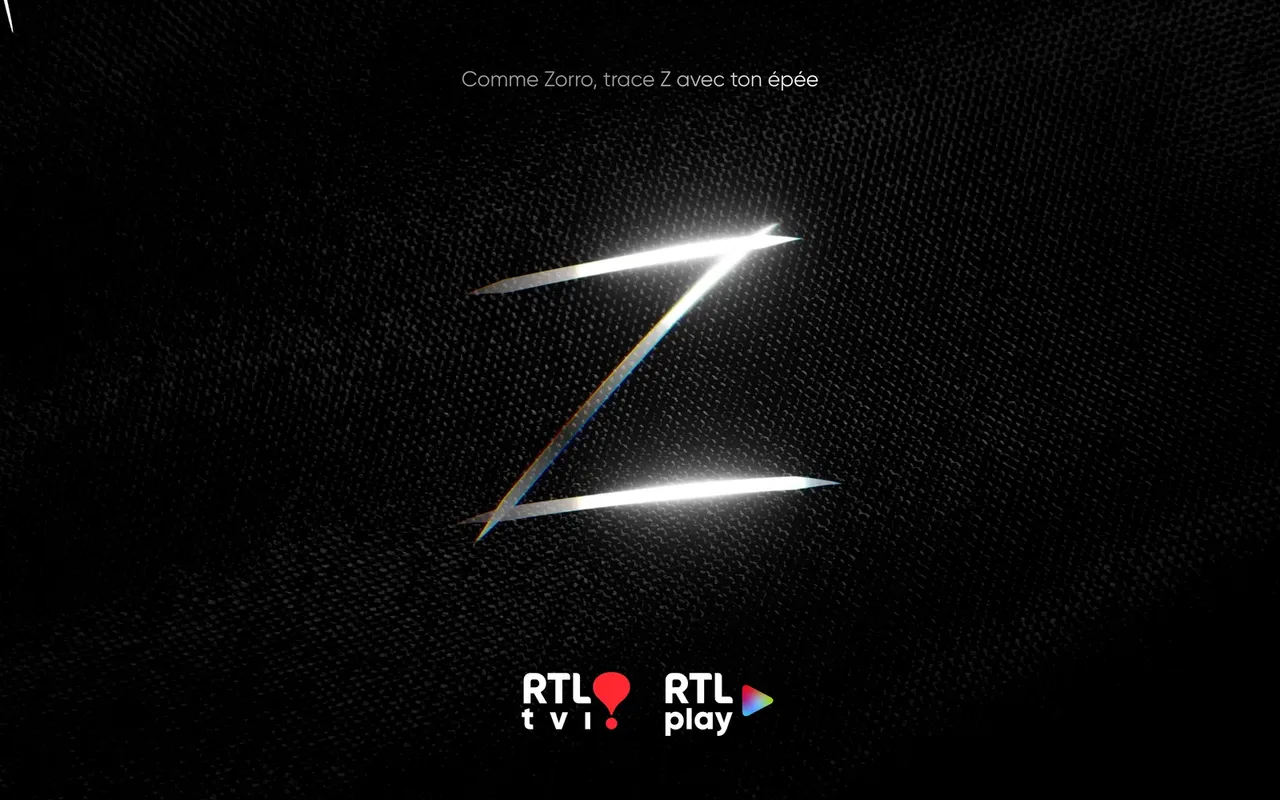
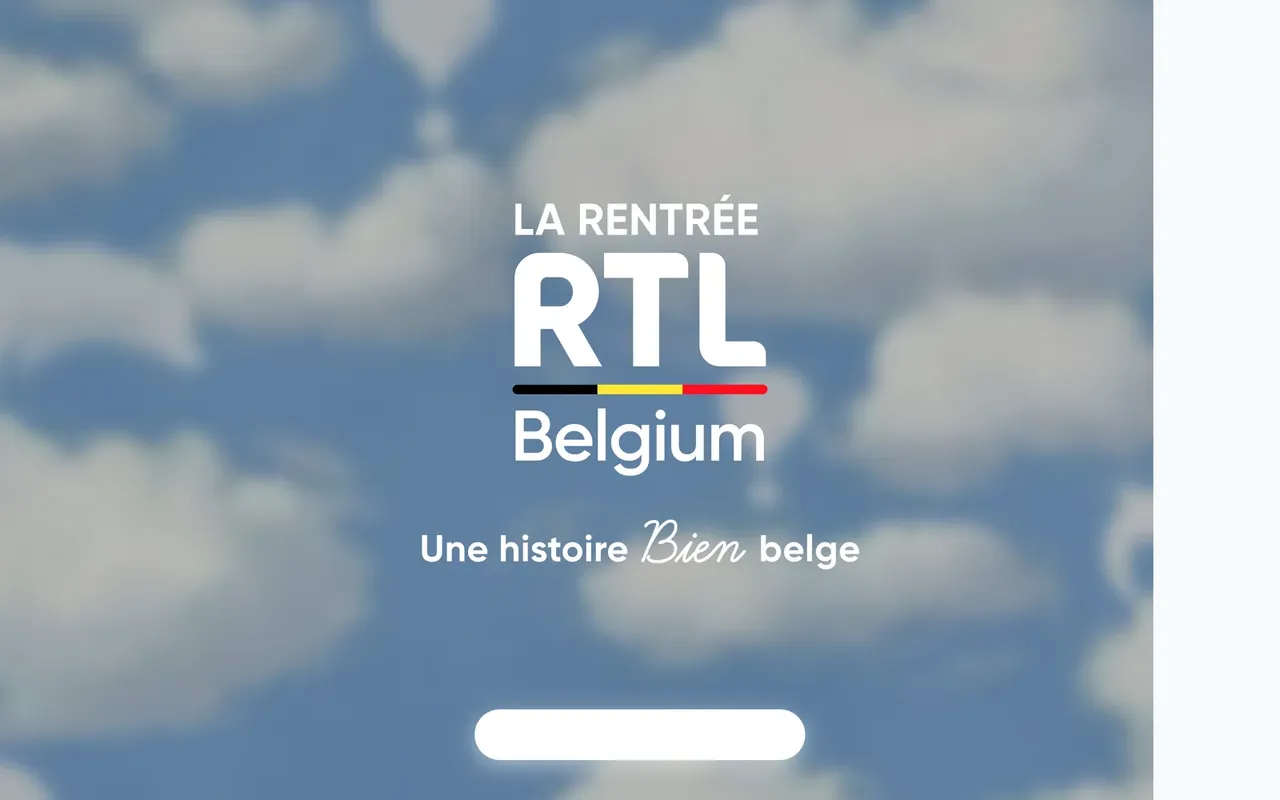
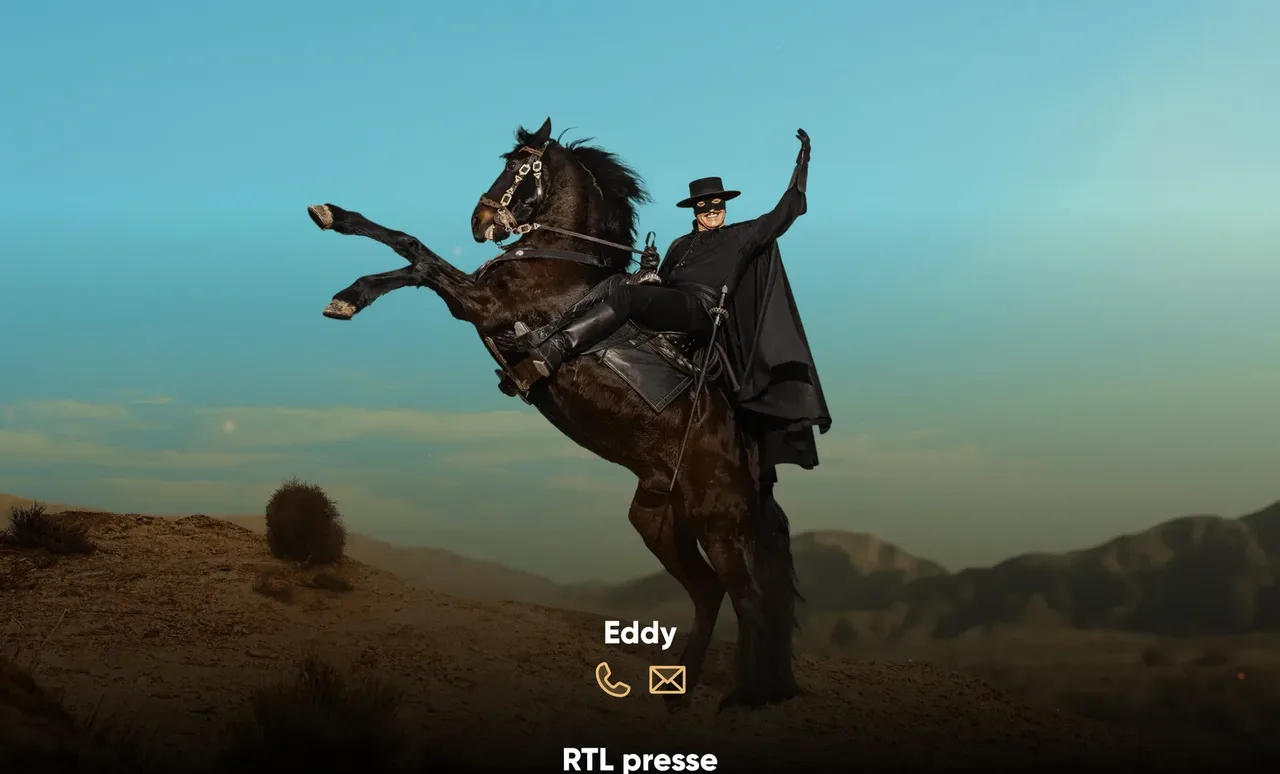
One engine, one dressing per show
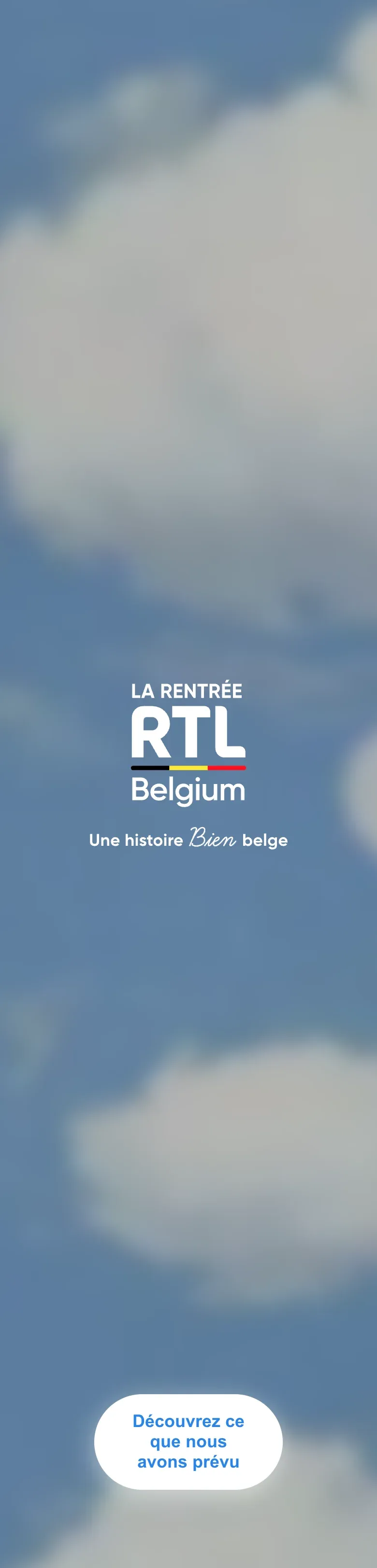
The kits share one frame of sections, always the same blocks: the pitch, the cast, the episodes, the interviews, the stills. What changes from one kit to the next is the dressing, and it changes entirely. Zorro plays black and steel, the RTL season launch plays sky and blue. The writer fills in fields, they do not build a page. That is what makes it possible to ship one kit per show without starting over every time, while keeping each one looking like its programme.
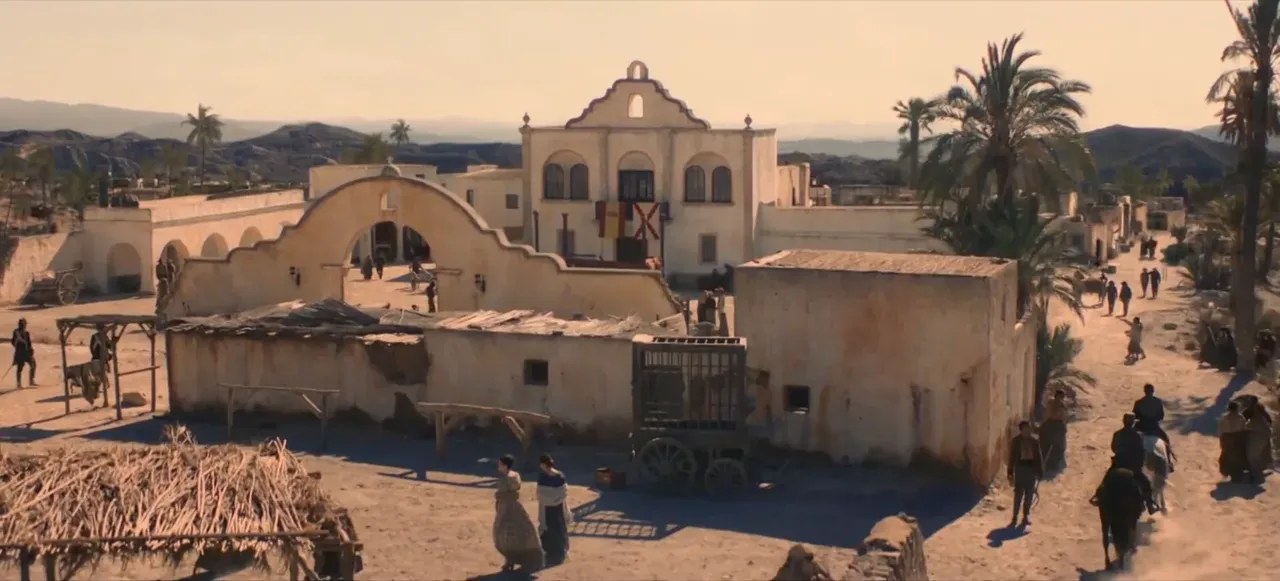
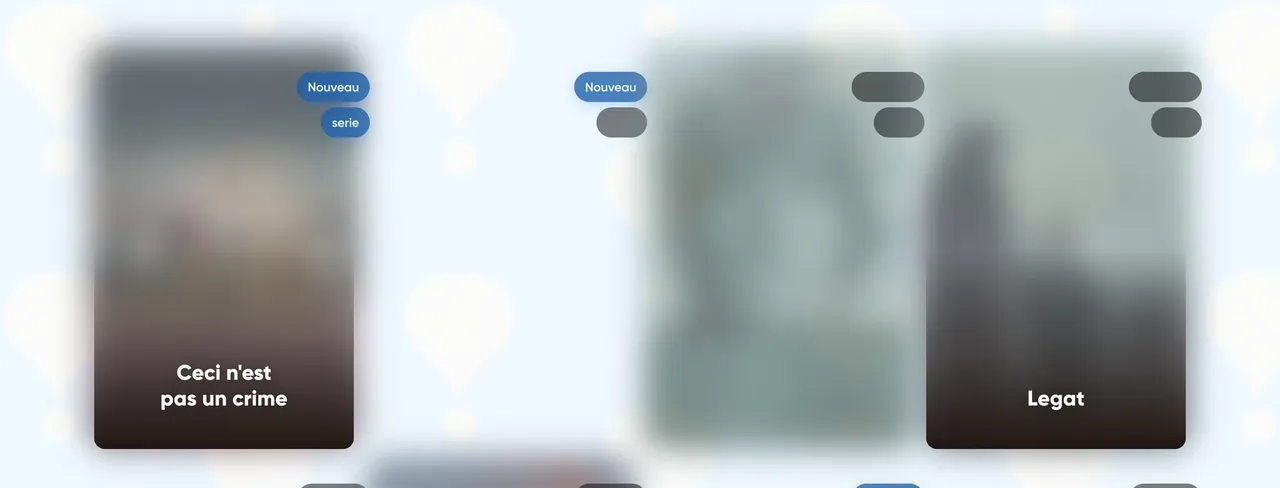
Two kits show how far the engine can stretch: Zorro with its steel black on one side, a Belgian story with a lighter register on the other. Same structure, same way of filling it in, two moods with nothing in common. Mobile matters as much as desktop, because a journalist opens these links from their inbox. So each kit has to hold on a phone screen without losing the trailer or the press images.
What the engine produces today
The show press kits were first built one by one in Webflow. In August 2026, all eight were moved into the engine, which has been the common base ever since. The RTL 2026 back-to-school press kit was then built in it from the source PDF in three days, from 24 to 26 August 2026, with 90 entries.
- Show press kits moved into the engine in August 2026
- 8
- Entries in the RTL 2026 back-to-school press kit
- 90
- Days from source PDF to live press kit, 24 to 26 August 2026
- 3
Figures from 05/08 to 26/08/2026
See a press kit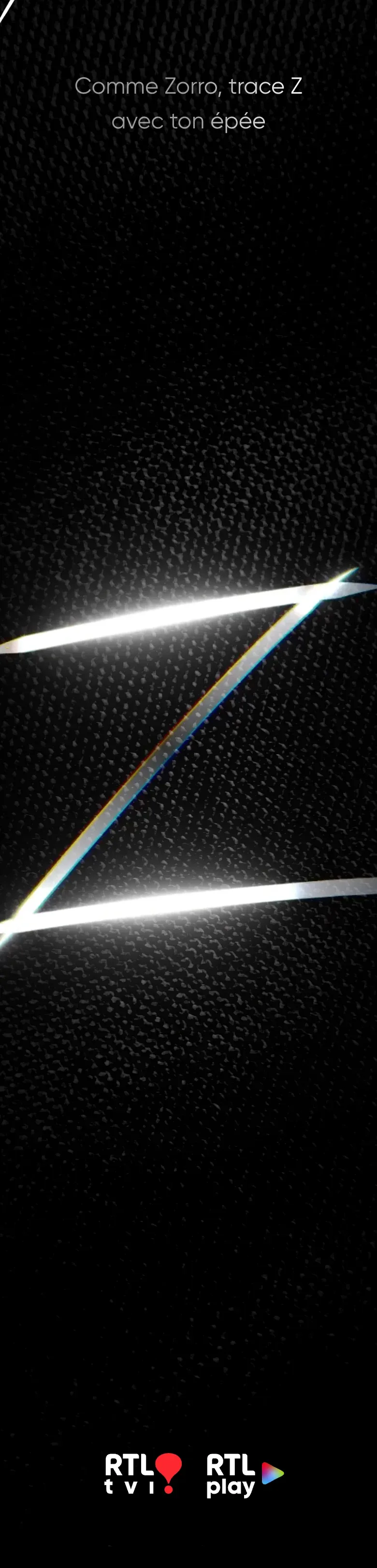

Before, during, after: the same method on every project
See our expertise · Web Design & Development Let's talk about your project- Before
Discovery
We get to know the project, ask our questions and talk it through with you.
- Before
Inspiration and direction
We gather inspiration and set a direction with you, before anything gets created.
- During
Creation
The heart of the project, paced by regular back and forth with you.
- After
Delivery and testing
We deliver, then check with you that everything works.
- After
Handover and adjustments
We train you and help you get to grips with the material. Your feedback is taken on board to fine-tune it.